
Learn how to design custom scratch tickets that turn curiosity into measurable customer engagement, repeat visits, and redemptions.
Getting someone to scratch a card is easy. Getting that person to do something valuable afterward is the real marketing challenge. A successful scratch-ticket campaign is not defined by how many cards are handed out or even how many are scratched. It is defined by what happens after the reveal: a return visit, another purchase, a booking, a referral, or another action the business can actually measure.
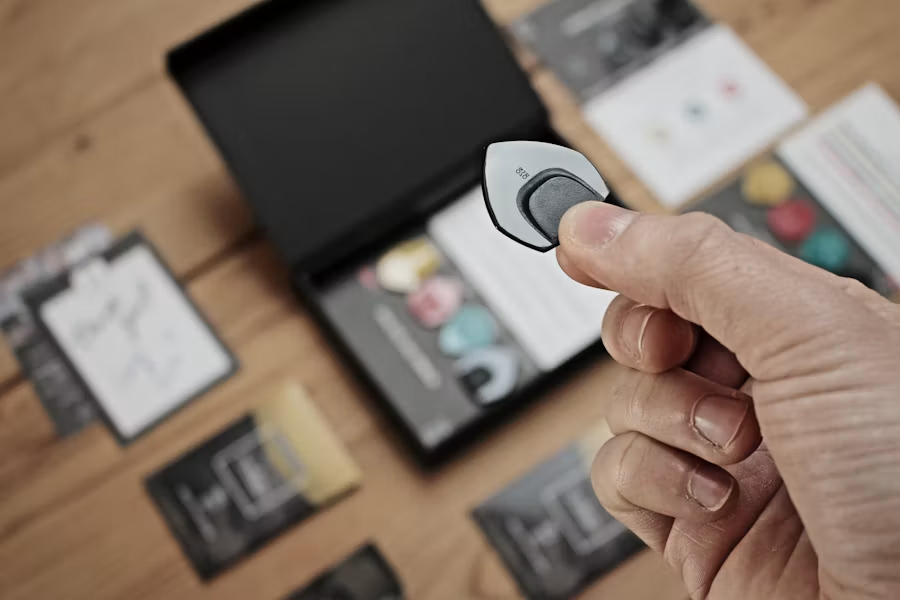
That distinction should influence the campaign from the start. Businesses can use custom scratch tickets with Scratcher to align the physical format, visual identity, scratch-off area, and message with a specific promotion. But customization is only the starting point. The ticket works best when the reward beneath the coating leads naturally to a clear next action.
Start With the Action You Want After the Scratch
It is tempting to begin with the prize: 10% off, a free item, an upgrade. A stronger approach is to work backward from the behavior you want to encourage.
Consider a restaurant trying to increase repeat visits. A generic discount redeemable immediately may reduce the current bill without giving the customer a reason to return. A reward redeemable on a second visit within a reasonable period connects the promotion directly to the retention objective.
| Business goal | Possible reveal | Next action | Useful KPI |
| Restaurant retention | Reward for a future visit | Return within 30 days | Redemption rate |
| E-commerce retention | Unique purchase incentive | Place a second order | Repeat-purchase rate |
| Salon retention | Service upgrade | Book another appointment | Rebooking rate |
| Retail acquisition | Welcome benefit | Register or visit a landing page | Opt-in rate |
This approach also prevents custom scratch off tickets for business from becoming disconnected promotional giveaways. Each ticket has a job to do.
Design the Reveal Around the Reward, Not the Gimmick
Scratching creates anticipation, but anticipation alone does not make an offer valuable. The reveal should be understandable within seconds: what did I receive, what can I do with it, and by when?
Keep the reward easy to understand
Complex conditions weaken the moment of discovery. A customer who reveals a reward and then has to decode exclusions, calculate thresholds, or complete several steps may decide it is not worth using.
The design matters for the same reason. Woblogger’s guide to emotional design in customer experiences highlights the role of enjoyable micro-interactions across touchpoints such as packaging and digital interfaces. A promotional scratch card is one such touchpoint: visual appeal may attract attention, but usability determines whether the interaction continues.
Make redemption easier than ignoring the reward
A useful test is to compare the perceived value of the prize with the effort required to claim it. A modest reward with one simple redemption step can be more actionable than a seemingly generous offer buried behind registration fields and complicated conditions.
Make the Scratch the Beginning, Not the End
The strongest campaigns treat the reveal as a transition rather than a finale. A custom scratch card can expose a unique code, QR-driven call to action, booking prompt, or other route into the next stage of the customer journey.
This also makes an offline promotion easier to measure. For example, an e-commerce brand could place personalized scratch off tickets inside orders and give each campaign a trackable redemption mechanism. Instead of merely knowing that 5,000 cards were printed, the team can determine how many recipients returned and how many completed another purchase.
Distribution is an operational metric; redemption is a behavioral one. The latter says much more about whether the campaign worked.
Measure What Happens After the Reveal
The right metric depends on the original objective. A restaurant may track return visits, while a salon looks at rebookings and an online retailer measures repeat purchases. If the campaign sends customers to a digital destination, unique codes or dedicated landing pages can help separate its results from other marketing activity.
There is also a useful diagnostic hidden in these numbers. If many rewards are revealed but few are redeemed, the problem may not be the scratch mechanic at all. The offer could be too weak, the deadline too restrictive, or the redemption process too demanding. That is actionable information for the next campaign.
Avoid Turning Engagement Into Friction
Before producing promotional scratch cards at scale, run the campaign through a short pre-launch check:
- Is the reward understandable immediately?
- Can redemption instructions fit into one clear sentence?
- Is any expiration date easy to find?
- Does the customer know exactly what to do next?
- Can the resulting action be measured?
- Are the physical and digital experiences consistent?
- Have the promotion’s rules been checked for every market where it will run?
That last point deserves attention when chance and prizes are involved. Rules vary by promotion type and jurisdiction. In the United States, for example, the Federal Trade Commission’s guidance on contests and sweepstakes notes that different requirements can apply to prize promotions and that state laws may impose additional obligations. Businesses operating across markets should therefore verify the applicable rules rather than assuming one campaign structure works everywhere.
Build the Campaign Backward From the Customer Action
The most useful question is not “How can we use custom scratch offs?” It is “What should the customer do after scratching?”
Once that answer is clear, the rest of the campaign becomes easier to design. Define the desired action, choose a reward capable of motivating it, make the reveal simple, select the right distribution moment, and decide how the result will be measured.
A scratch ticket can create curiosity in seconds. Its real marketing value, however, appears only when that curiosity has somewhere worthwhile to go.
